
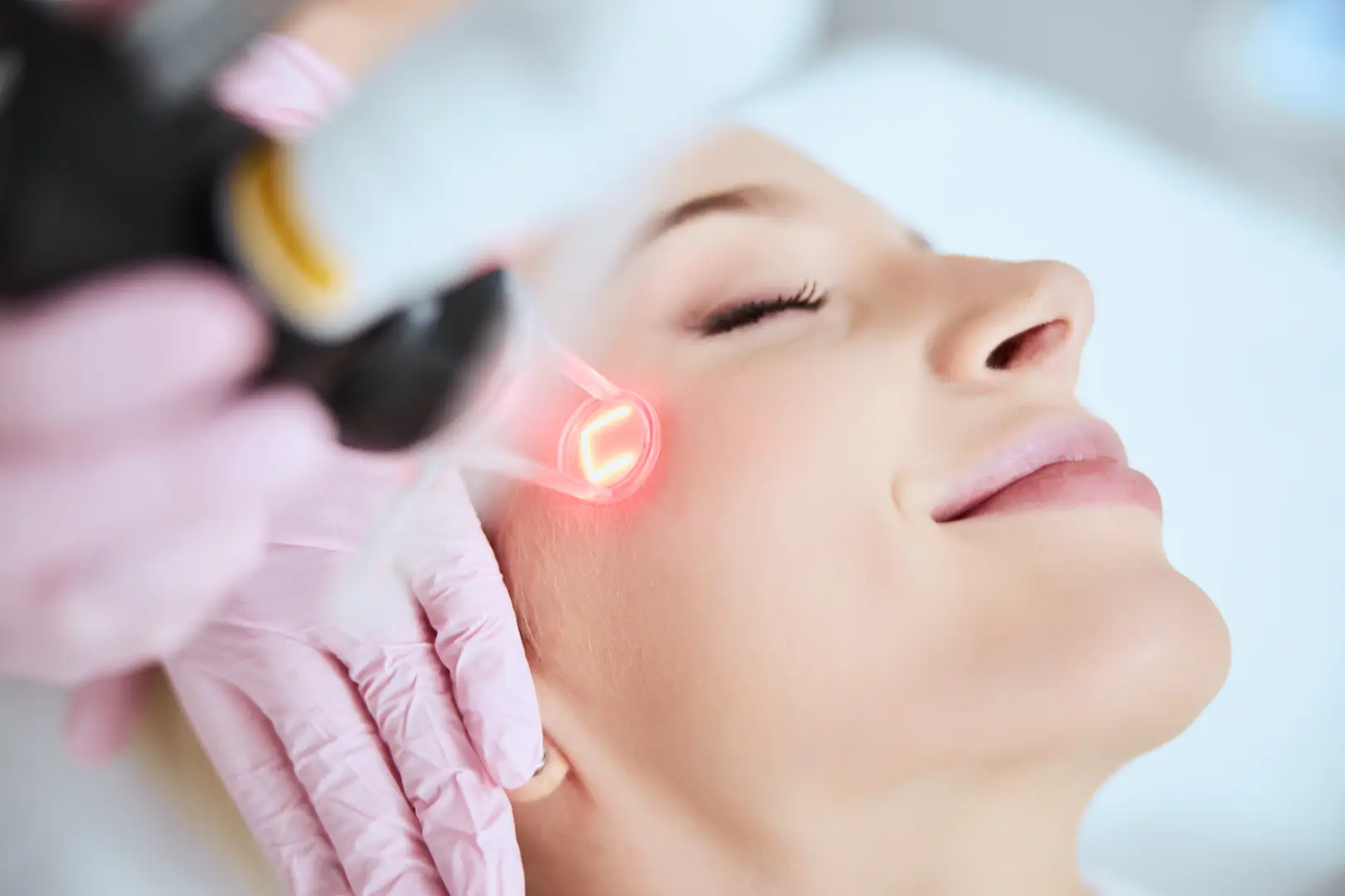
Uneven texture has a way of becoming more noticeable in certain light. Old acne scars cast tiny shadows, fine lines start holding makeup differently, and years of sun exposure can leave the surface looking less even than it once did.
When skincare and lighter treatments aren’t addressing enough of that accumulated damage, CO2 laser resurfacing offers a more intensive approach by treating damaged skin while stimulating a repair response.
At First Class Health, Edge ONE fractional CO2 laser treatments can be adjusted based on the patient’s skin concerns, goals, and acceptable recovery time. That flexibility matters because preparing for a lighter refresh isn’t the same as preparing for deeper resurfacing.
Keep reading for a practical look at CO2 laser preparation, what recovery may actually look like, and how to care for your skin while it heals.
How to Prepare for CO₂ Laser and Recovery
A smoother recovery begins well before laser day. Treatment depth, sun exposure, skincare, scheduling, and aftercare can all influence the experience, so planning ahead is worth the effort.
1. Know How Deep You’re Going
Not every CO₂ laser appointment creates the same degree of resurfacing. Treatment intensity can be adjusted, and that choice directly affects what patients should expect afterward.
First Class Health uses the Edge ONE fractional CO₂ laser, which creates microscopic columns of laser energy while leaving surrounding areas of skin intact. The controlled injury prompts a healing response while stimulating new collagen and elastin production over time.
The system also provides different approaches based on the patient’s goals. EdgePolish is positioned as a lighter refresh for concerns such as tone, texture, and glow, with little to no downtime described by the practice. The laser portion takes about 10 minutes, making it an option for patients looking for a less intensive treatment.
Deep resurfacing takes the opposite approach. It can be used for more significant concerns such as deeper lines, acne scars, crepey skin, and advanced sun damage. Because treatment reaches a more intensive level, patients should plan for several days of recovery rather than expecting to return immediately to their normal skincare and social routine.
Understanding your treatment depth is the first step toward realistic Edge ONE recovery. The more intensive the resurfacing, the more carefully recovery needs to be planned.

2. Give Your Calendar Some Breathing Room
Laser resurfacing isn’t something to squeeze between an important presentation and wedding photos. Even when recovery goes smoothly, your skin may look noticeably treated for a period of time.
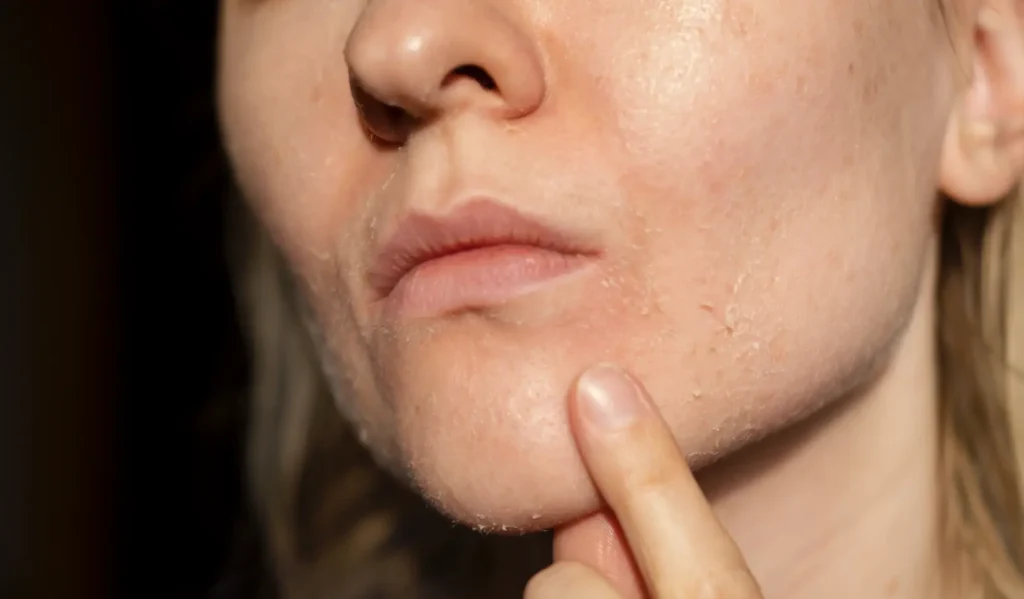
Redness, swelling, sensitivity, peeling, crusting, or a rough texture can occur after fractional CO₂ resurfacing. The degree and duration vary according to treatment intensity and individual healing response.
That’s why laser resurfacing downtime should be discussed before choosing your appointment date. If you’re preparing for a wedding, vacation, reunion, photo session, or major work event, leave enough time for visible healing to settle.
A deeper treatment deserves considerably more scheduling flexibility than a light refresh. Your social calendar isn’t the only consideration. Think about exercise, outdoor activities, swimming, travel, and anything else that could complicate early recovery.
A few days at home may sound easy until you remember that your week includes a beach afternoon, tennis match, and outdoor birthday party. Planning those details beforehand can make recovery much less stressful.
3. Protect Your Skin From the Sun
Freshly resurfaced skin and unnecessary ultraviolet exposure aren’t a good combination. Sun protection should already be part of your routine, but it becomes especially important around laser treatment.
Before your appointment, avoid intentionally tanning or burning your skin. Tell your provider about recent significant sun exposure because treatment may need to be postponed if the skin isn’t in an appropriate condition for resurfacing.
Sun protection becomes even more important afterward. Freshly treated skin is healing and can be more vulnerable to pigment changes. Your provider will give specific instructions about when and how to introduce sunscreen and other products as the skin barrier recovers.
Once appropriate, broad-spectrum sun protection, shade, hats, and sensible avoidance of intense exposure can help protect the skin. This matters particularly in sunny climates for patients considering fractional CO2 in Miami, where UV exposure doesn’t conveniently disappear after summer.
Laser resurfacing can address accumulated sun damage, but it doesn’t make the skin immune to future UV exposure.
4. Review Your Skincare Early
The week before resurfacing isn’t the ideal time to experiment with an aggressive new skincare routine. Products that increase irritation can leave the skin unnecessarily reactive going into treatment.
Tell your provider what you’re currently using, including prescription products and over-the-counter skincare. Retinoids, exfoliating acids, scrubs, benzoyl peroxide, and other active ingredients may require specific instructions before and after treatment.
Don’t assume that every active ingredient must be stopped for the same number of days. The recommendation can depend on the product, treatment intensity, and your skin.
This is an important part of CO2 laser preparation because the goal is to arrive with skin that’s appropriate for treatment rather than already irritated from enthusiastic exfoliation. The same restraint applies afterward.
A freshly resurfaced face doesn’t need an elaborate 10-step routine. Early care generally focuses on the specific cleansing, moisturizing, protective, and wound-care instructions provided for your procedure.
Your favorite anti-aging actives can wait until your provider says the skin is ready for them again.
5. Share Your Medical History
A cosmetic procedure still deserves a medical conversation. Your provider should know about relevant health conditions, medications, allergies, previous cosmetic treatments, and how your skin has healed in the past.
A history of cold sores is particularly important when resurfacing around areas where herpes simplex can reactivate. Depending on the treatment area and individual history, antiviral medication may be considered by the treating clinician.
Patients should also mention a history of abnormal scarring, pigment changes after inflammation, recent procedures, active skin problems, or medications that could affect healing. Don’t stop prescription medication on your own simply because you’re scheduling a laser procedure. Skin tone also deserves thoughtful consideration.
Post-inflammatory hyperpigmentation can be a greater concern in some skin types, and CO₂ laser settings shouldn’t be approached as one-size-fits-all. Patient selection, treatment parameters, preparation, and aftercare all matter.
This isn’t paperwork for paperwork’s sake. The information helps shape a treatment plan around the person attached to the skin.
6. Prepare Your Recovery Space
A little preparation at home can feel surprisingly valuable when your face is tender and the last thing you want to do is run errands.
Before treatment, obtain any recovery products specifically recommended by your provider. That might include gentle cleansing products, appropriate ointments or moisturizers, clean towels, and other items included in your individual laser skin resurfacing aftercare instructions.
Keep your recovery routine simple and organized. Clean hands matter whenever you’re touching healing skin. Pillowcases and towels should also be clean, and anything that rubs or irritates the treatment area is best approached cautiously.
You may also want to prepare meals, clear unnecessary commitments, and create a comfortable indoor space away from direct sunlight. These small practical choices don’t change what the laser does, but they can make those first days much easier to navigate.
Most importantly, follow the specific post-treatment protocol you’re given rather than assembling an aftercare routine from social media. Different resurfacing depths may require different care.
7. Expect Your Skin to Look Treated
One of the easiest ways to become anxious during recovery is expecting your face to look polished immediately. CO₂ resurfacing works by creating controlled treatment zones, so a temporary healing response is part of the process.
Depending on treatment intensity, patients may experience redness, warmth, swelling, tenderness, peeling, or crusting. The skin can look worse before it begins looking smoother. That doesn’t mean you should ignore unusual symptoms.
Your provider should explain what’s expected and which changes deserve a call. Increasing pain, spreading redness, pus-like drainage, fever, significant blistering, or other concerning changes shouldn’t simply be written off as the laser working.
Good CO2 laser aftercare includes knowing the difference between anticipated healing and something that needs professional attention.
This is another reason before-and-after instructions matter. When you know what the normal recovery window can look like for your specific treatment depth, every patch of redness doesn’t become a reason to panic.
8. Don’t Pick at Peeling Skin
Healing skin can test your patience. Once flaking or crusting appears, it’s tempting to speed things along by pulling at loose pieces. Try not to turn recovery into a peeling project.
Picking, scratching, or aggressively exfoliating can interfere with the healing surface and potentially increase irritation, infection risk, or unwanted pigment changes. Let the treated skin shed according to the aftercare guidance you’ve been given.
This also means avoiding facial scrubs, cleansing brushes, exfoliating acids, and other products until they’ve been cleared for use. Think gentle rather than squeaky clean.
Your normal skincare routine may feel incomplete for a while, but recovery isn’t the time to chase instant smoothness. The laser has already created the controlled stimulus. Your job afterward is to give the skin an appropriate environment to heal.
Patience now can be far more valuable than trying to remove every visible flake before it’s ready.
Plan for Better Healing
CO₂ resurfacing isn’t only about what happens while the laser is on. Preparation and recovery are part of the treatment, from choosing an appropriate intensity and protecting your skin from the sun to keeping early skincare gentle and allowing collagen remodeling enough time to develop.
At First Class Health, patients considering CO2 laser treatment and fractional CO2 in Miami can explore Edge ONE resurfacing with options ranging from a lighter EdgePolish refresh to deeper treatment for more significant texture, lines, scarring, and sun damage. A personalized approach helps match the treatment depth with both your skin goals and the amount of recovery you’re prepared to take on.
Call us today to schedule your appointment!