

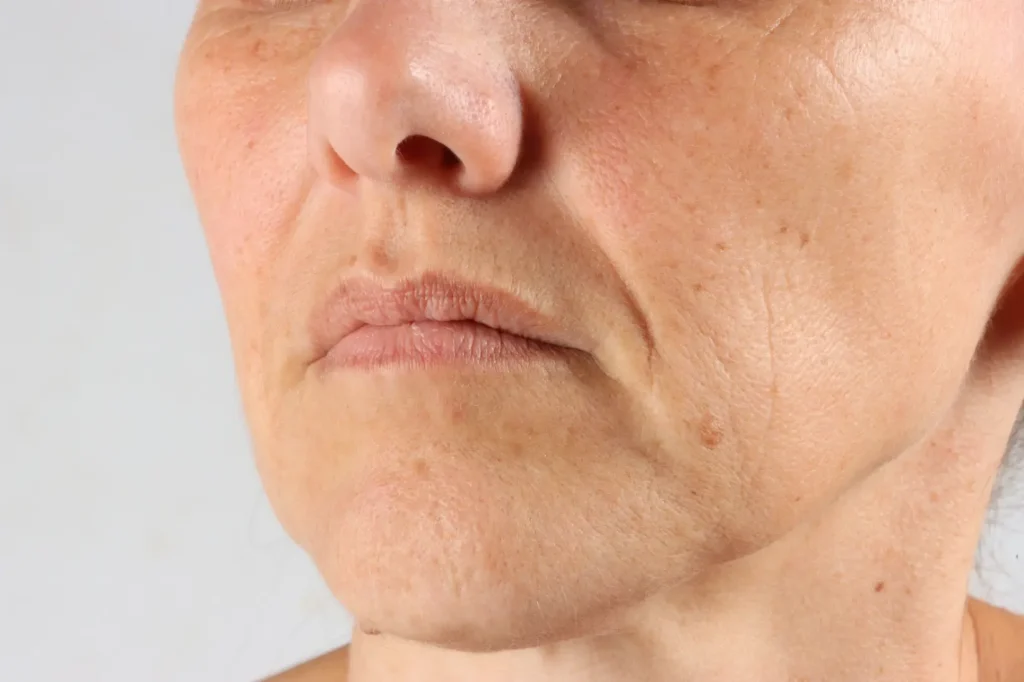
Skin can still look healthy and cared for while feeling a little less firm than it used to. Maybe the jawline has softened, the neck doesn’t look quite as defined, or the skin around the eyes seems thinner and more crepey. These changes don’t always call for surgery or added facial volume. Sometimes the bigger issue is the gradual decline in the skin’s structural support.
Density RF offers another approach. This radiofrequency treatment uses controlled heat to support collagen and elastin production at different depths, making it an option for patients interested in gradual skin tightening and improved skin quality.
Better yet, RF treatment doesn’t necessarily have to stand alone. When different concerns are present, it may fit into a broader aesthetic plan with other carefully selected procedures. Continue reading to learn when combination treatment makes sense and why timing matters just as much as the treatments themselves.
When Density RF Fits With Other Treatments
Combination treatment works best when every procedure has a distinct purpose. Density RF can address skin firmness and quality, while another treatment may focus on volume, expression lines, pigmentation, or surface texture.
1. When Skin Laxity Is Only Part of the Problem
Aging rarely changes just one layer of the face. Skin becomes less resilient, facial volume can shift, expression lines become more noticeable, and years of sun exposure may affect tone and texture at the same time. That’s why one treatment doesn’t necessarily need to solve everything.
Density RF is designed around controlled radiofrequency energy. According to First Class Health’s treatment information, the device combines monopolar and bipolar RF. Monopolar RF reaches deeper layers to support collagen remodeling and firmness, while bipolar RF targets more superficial layers associated with texture and skin quality.
That makes RF useful when laxity or declining skin quality is part of the concern. It doesn’t mean the treatment should be expected to restore substantial lost volume or correct every brown spot.
Combining treatments can make sense when those additional concerns deserve their own solution. The goal isn’t to pile procedures onto the same appointment. It’s to let each technology do the job it was designed to do.
2. When Filler Addresses Volume Loss
A softer jawline or tired-looking midface can sometimes involve more than loose skin. Age-related changes in facial fat and structural support may also influence how the face looks.
Dermal filler serves a different purpose from RF skin tightening. Fillers add volume beneath the skin and can be used to restore selected areas or refine facial contours. Density RF, by contrast, doesn’t work by filling tissue. This difference can make the treatments complementary for certain patients.
Imagine someone with mild skin laxity and noticeable volume loss through the cheeks. Adding filler alone may restore selected structural support but won’t directly address the same skin-quality concerns targeted by radiofrequency. RF alone won’t replace missing volume in the way filler can.
That doesn’t mean every patient needs both. Someone who already has plenty of facial volume may benefit from avoiding unnecessary filler. Another patient with substantial volume loss may need structural restoration to play a larger role in the plan. Combination treatment should begin with anatomy, not a package deal.
3. When Botox Has a Different Job
Expression lines and skin laxity can appear together, but they’re created by different processes. That’s where neuromodulators such as Botox and RF treatment can occupy separate roles. Botox temporarily reduces activity in selected muscles. It’s commonly used for dynamic lines created by repeated facial movement, such as certain forehead, frown, and eye-area lines.
Density RF doesn’t relax facial muscles. Instead, its radiofrequency energy is used to heat targeted tissue and support collagen remodeling. A patient who’s bothered by both dynamic wrinkles and declining skin firmness may therefore have two distinct concerns requiring different approaches. This is the real value of combination aesthetic treatments.
Treatments don’t need to compete when they’re doing different jobs. The more important question is whether both are appropriate for the individual patient and how they should be scheduled. Timing and treatment areas matter, so combining procedures should be planned rather than improvised during an appointment.
4. When Texture Needs More Attention
Loose skin and uneven texture can coexist, but they’re not exactly the same problem. Someone may notice mild laxity along the lower face while also dealing with acne scars, enlarged-looking pores, or rough surface texture.
Density RF’s dual-mode approach is intended to work at different tissue depths. First Class Health describes its bipolar RF component as targeting upper skin layers to refine texture and overall skin quality, while monopolar RF reaches deeper. Still, some texture concerns may require another modality.
Microneedling, laser resurfacing, or other skin treatments may be considered depending on the patient’s concern and skin characteristics. For deeper acne scars, for example, the scar type itself matters when deciding which treatment makes sense.
Combining technologies shouldn’t mean treating the skin aggressively from every direction at once. Procedures that generate controlled tissue injury need thoughtful spacing. Skin needs adequate time to recover, and the treatment sequence should reflect how intense each procedure is. Sometimes the smartest combination plan is a series spread across several months.
5. When Pigment Is a Separate Concern
A patient can improve skin firmness and still be bothered by visible sun damage. Brown spots, uneven pigmentation, and redness may continue drawing attention even when the skin feels tighter. RF isn’t automatically the right tool for every color-related concern.
Light- and laser-based technologies can target selected pigment or vascular concerns in appropriate patients. That means someone seeking skin tightening in Miami may eventually have a treatment plan that addresses both structural quality and visible discoloration, but through different modalities.
These treatments don’t necessarily need to happen on the same day. Skin type, tanning history, pigmentation tendencies, sun exposure, and the specific device all affect treatment planning. Melasma deserves particular caution because heat and inflammation can sometimes contribute to worsening or recurrence. This is where diagnosis matters.
Not every brown patch is ordinary sun damage, and treating pigmentation without identifying what it is can create disappointing results. The treatment plan should become more specific as the concerns become more specific.
6. When Collagen Is the Long-Term Goal
Density RF isn’t an instant tightening trick. Its appeal comes partly from supporting a biological process that continues after the appointment.
Controlled radiofrequency heating can trigger tissue responses associated with collagen remodeling. First Class Health also describes Density RF as supporting the skin’s own collagen and elastin production. That means collagen stimulation treatment requires patience.
A patient may notice some changes earlier, but collagen remodeling continues gradually. The final value of treatment shouldn’t be judged exclusively by what the skin looks like the following morning. This timeline also affects combination planning.
If another collagen-focused procedure is being considered, immediately stacking treatments may not be necessary. Giving one treatment time to develop can reveal how much additional intervention is actually useful.
More stimulation isn’t automatically better stimulation. The skin has a biological capacity for healing and remodeling. Thoughtful spacing respects that process instead of treating inflammation as though more always produces a superior result.
7. When Different Depths Need Attention
One feature that distinguishes Density RF in the supplied treatment information is its dual-mode delivery. Rather than using only one RF mode, it combines monopolar and bipolar radiofrequency in each pulse.
Those modes are intended to address different depths. Monopolar RF reaches deeper tissue to support firmness and longer-term collagen remodeling. Bipolar RF focuses more superficially, supporting texture and overall skin quality.
Density RF also includes adjustable cooling designed to protect the skin’s surface and improve comfort. Real-time monitoring reads the skin’s response and adjusts energy during treatment, according to the practice’s description.
That doesn’t mean every skin layer or concern can be treated with RF alone. Some patients may still need a surface-focused treatment, injectable, or another technology depending on their goals. What Density RF provides is another tool within a layered strategy. The face itself is layered, so good treatment planning should be too.
8. When You Want to Avoid Overfilling
One of the most useful reasons to consider skin-tightening technology alongside injectables is that not every aging change should be corrected with added volume. Imagine someone who’s bothered by a less-defined jawline. Filling the area repeatedly might add structure in selected cases, but if skin laxity is contributing significantly, additional volume alone may eventually make the lower face look heavier.
Radiofrequency skin tightening provides a different option because it doesn’t depend on adding gel to create its effect. For appropriate patients with mild to moderate laxity, supporting collagen remodeling may better address part of what they’re seeing. Filler can then be reserved for areas where actual structural volume is needed. This creates a more restrained approach.
Natural-looking aesthetics isn’t about avoiding filler. It’s about using filler where filler makes anatomical sense and choosing another tool when the concern belongs to another tissue layer. Sometimes combining treatments actually means using less of each.

Support Your Skin From More Than One Angle
Skin aging happens across multiple layers, so it makes sense that one procedure won’t always address every concern. Density RF can support collagen remodeling and skin firmness, while carefully selected injectables or skin-focused treatments may address separate concerns such as volume, movement, texture, or pigmentation.
At First Class Health in Miami, FL, patients can explore Density RF as part of an individualized aesthetic strategy rather than a one-size-fits-all package. By considering skin quality, facial structure, previous procedures, recovery time, and long-term goals, combination treatment can stay focused on what your skin actually needs rather than simply doing more.
Contact us today to book your appointment!