
Hair thinning rarely announces itself all at once. You may first notice that your ponytail feels smaller, your part looks wider under bright lighting, or more scalp is showing in photographs. Those subtle changes can become difficult to ignore, especially when switching shampoos or buying another supplement doesn’t seem to address what’s actually happening.
For appropriate patients, PRP offers a nonsurgical approach that uses components of the patient’s own blood as part of a hair-restoration plan. It isn’t a guaranteed cure for every type of hair loss, and results take time, but it may support hair growth in certain patients with thinning hair.
If you’re exploring PRP hair restoration in Miami, keep reading for the practical details worth understanding before deciding whether this treatment belongs in your hair-restoration plan.
What to Know Before Choosing PRP
PRP is often described as a regenerative treatment, but that label alone doesn’t tell patients what to realistically expect. Understanding how it’s prepared, who may benefit, and why the cause of hair loss matters can make the decision much clearer.
1. PRP Starts With Your Own Blood
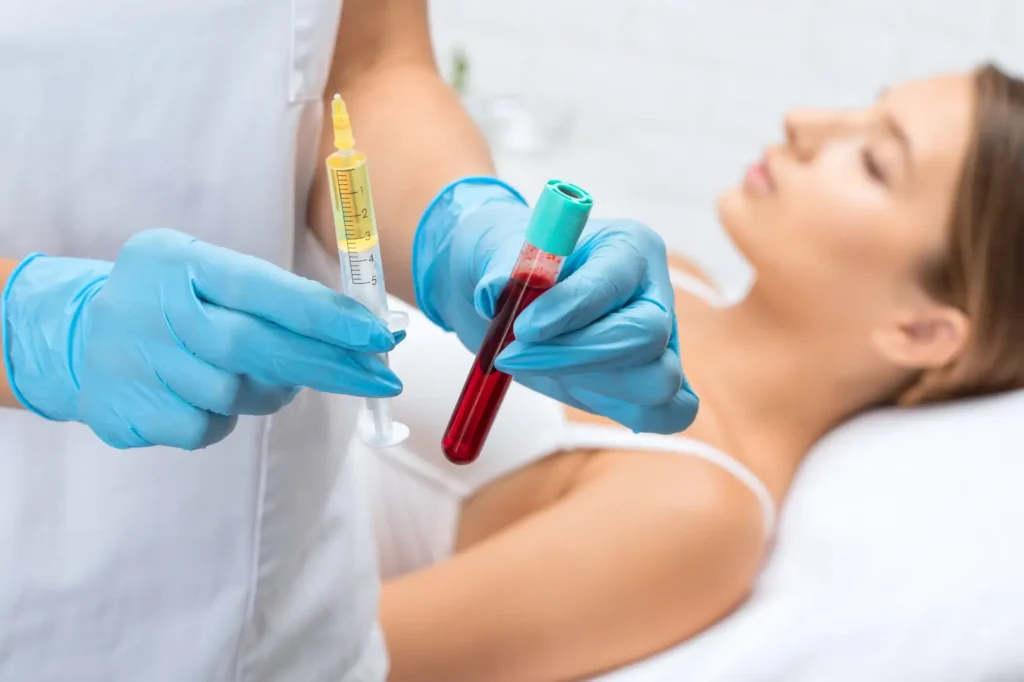
One of the first things patients want to know is exactly what’s being used during treatment. With platelet-rich plasma, the starting material comes from the patient’s own blood rather than an artificial hair-growth serum or donor material.
A small amount of blood is drawn and processed to separate its components. The goal is to prepare plasma with a higher concentration of platelets, which contain proteins and growth factors involved in normal healing and cellular signaling. That platelet-rich portion can then be used as part of a treatment plan for the scalp.
You’ll sometimes see the phrase platelet-rich plasma hair treatment used online to describe this process. Whatever name is used, PRP doesn’t involve transplanting new follicles into the scalp. Instead, treatment works with biological material derived from your own blood and the follicles already present.
2. PRP Doesn’t Create New Follicles
This distinction can prevent unrealistic expectations before treatment even begins. PRP isn’t a hair transplant, so it doesn’t move follicles from one part of the scalp to another or manufacture entirely new follicles where none remain.
Research suggests that PRP for hair loss may support follicular activity and hair growth in certain forms of nonscarring hair loss. Evidence has been particularly encouraging for androgenetic alopecia, commonly known as male- or female-pattern hair loss, although individual responses and treatment protocols vary.
That makes the condition of the existing follicles important. A scalp with early or moderate thinning presents a different situation from an area that’s been completely bald for many years. If follicles are severely miniaturized or no longer functional, PRP can’t simply recreate them.
Earlier evaluation can therefore be useful when thinning is becoming noticeable. You don’t need to panic over a few extra hairs in the shower, but steadily decreasing density deserves more attention than repeatedly switching cosmetic hair products and hoping the problem disappears.
3. Finding the Cause Comes First
“Hair loss” sounds like one condition, but it can happen for many different reasons. Pattern hair loss is only one possibility, and choosing treatment before identifying the likely cause can lead to frustration and unnecessary procedures.
Patients may shed hair after illness, major stress, surgery, childbirth, rapid weight loss, or significant nutritional changes. Thyroid disorders, iron deficiency, hormonal changes, certain medications, autoimmune diseases, and scalp conditions can also contribute to thinning.
The pattern often provides useful clues. A gradually widening part doesn’t necessarily mean the same thing as suddenly losing handfuls of hair, while circular bald patches require a different conversation from slow recession around the temples. Itching, scaling, redness, pain, or scarring may also suggest another underlying problem.
For that reason, choosing a thinning hair treatment in Miami shouldn’t automatically begin with injections. The first step is understanding what may be driving the change, because PRP can only be useful when it matches the problem being treated.
4. Treatment Focuses on the Scalp
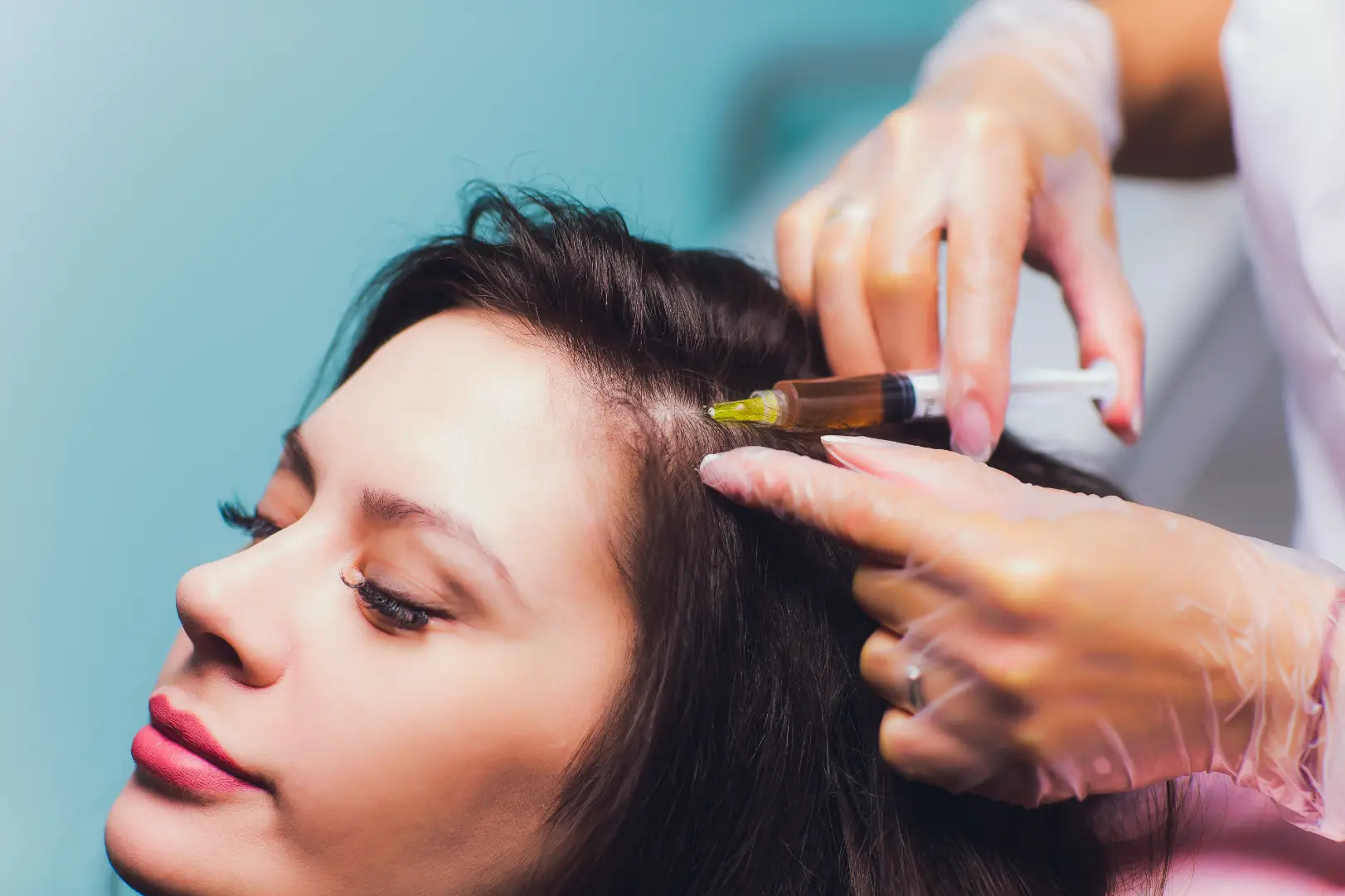
Once the platelet-rich plasma has been prepared, it can be administered to areas of the scalp affected by thinning. The exact placement, technique, and treatment pattern can vary according to the patient’s needs and the protocol being used.
This targeted approach is one reason patients may consider a PRP scalp treatment. Instead of treating hair loss solely through a systemic medication, PRP places the prepared plasma directly into selected areas of the scalp as part of the hair-restoration strategy.
Patients should still expect some sensation during the procedure. Scalp injections can cause pressure, pinching, tenderness, or brief discomfort, and the treated area may remain sensitive afterward. Temporary redness, mild swelling, bruising, or soreness can also occur.
Comfort varies considerably from one patient to another. Discussing what the procedure feels like beforehand creates more realistic expectations than describing PRP as either completely painless or extremely uncomfortable.
5. Results Take Time
Hair operates according to its own biological schedule, and unfortunately, it doesn’t care how quickly we’d like results. Individual follicles move through growth, transition, resting, and shedding phases, which means visible improvement from hair-restoration treatment generally develops gradually.
Patients may need a series of PRP sessions rather than expecting one appointment to dramatically change their density. Treatment schedules vary according to the protocol and patient, and maintenance sessions may sometimes be considered based on response and the underlying cause of thinning.
This makes consistent before-and-after photographs particularly useful. You see yourself in the mirror every day, so slow changes can be surprisingly difficult to recognize. Photos taken with similar lighting, positioning, hair styling, and camera distance can make progress easier to evaluate.
Patience is therefore part of the treatment plan. PRP is better understood as a gradual hair-restoration strategy than an instant cosmetic transformation, and judging the result too early can create unnecessary disappointment.

6. Everyone Responds Differently
PRP may help some patients, but it can’t promise a specific increase in hair density or guarantee that every treated follicle will respond. Age, genetics, degree of thinning, follicle health, underlying diagnosis, and other treatments can all influence the outcome.
Research into PRP for hair loss has reported improvements in measures such as hair density in some patients with androgenetic alopecia. However, studies use different preparation methods, platelet concentrations, injection protocols, treatment schedules, and ways of measuring results.
Those differences make universal promises inappropriate. Two patients can receive treatments both described as PRP and still have different experiences, even before individual biology is considered.
Realistic expectations should therefore begin with your own starting point rather than someone else’s dramatic before-and-after photo. The more accurately the cause and degree of thinning are understood, the easier it becomes to discuss what meaningful improvement might realistically look like.
7. PRP Can Be Part of a Bigger Plan
Hair restoration doesn’t always have to be an either-or decision. Depending on the cause of thinning, PRP may be considered alongside other evidence-based approaches rather than being treated as the only available solution.
Patients with pattern hair loss, for example, may discuss topical minoxidil or other medical therapies with an appropriate healthcare professional. Nutritional deficiencies should be addressed when they’re actually present, while endocrine disorders or other medical causes may require their own treatment.
This is where reviewing different hair restoration options becomes more useful than asking which single procedure is “best.” The right strategy may involve supporting existing follicles while addressing the process causing those follicles to thin.
Another patient may discover that PRP isn’t the logical first step at all. Correcting a nutritional deficiency, managing a medical condition, or treating a scalp disorder may take priority. A personalized plan leaves room for those differences instead of collecting treatments simply because they’re popular.
8. Nutrition Still Has a Role
Hair isn’t essential for survival, which means the body can shift resources away from hair growth when nutritional intake becomes inadequate. This can become particularly relevant after restrictive dieting, major dietary changes, illness, or rapid weight loss.
Protein intake, iron status, and other nutritional factors may deserve attention depending on the patient’s symptoms and medical history. That doesn’t mean everyone experiencing thinning needs a shelf full of supplements, because taking nutrients without a demonstrated need doesn’t automatically improve hair growth.
Some supplements can also cause problems when taken excessively or interfere with certain laboratory tests. A targeted approach is more useful than guessing based on whatever hair vitamin happens to be popular online.
If history or symptoms suggest a nutritional issue, appropriate evaluation can help identify it. PRP may support selected follicles, but it can’t compensate for every underlying factor interfering with healthy hair growth.
Give Your Hair a Smarter Start
Thinning hair can have many causes, so choosing treatment shouldn’t begin with guesswork. PRP may offer a nonsurgical way to support existing follicles in appropriate patients, but the strongest approach begins by understanding the pattern of hair loss, relevant medical factors, and realistic potential for improvement.
At First Class Health, patients considering PRP hair restoration in Miami can explore a medically guided treatment using platelet-rich plasma prepared from their own blood. By looking at individual needs rather than treating every thinning scalp the same way, PRP can be considered within a broader hair-restoration plan built around what the patient’s hair actually needs.
Call us today to book your appointment!