

Healthy-looking skin isn’t built around a single wrinkle or one stubborn patch of texture. Collagen, elastin, hydration, sun exposure, age, and the skin’s natural repair processes all influence how the face changes over time.
That’s one reason collagen-stimulating treatments have become such an important part of modern aesthetics. Rather than simply covering a concern, the goal is often to encourage gradual renewal.
PRP, or platelet-rich plasma, can fit into that approach for selected patients. Prepared from a small sample of the patient’s own blood, PRP contains concentrated platelets and associated growth factors that participate in normal healing and tissue signaling.
It can be used alone or incorporated into a broader treatment strategy when there’s a clear reason for doing so. Continue reading to learn where PRP can make sense, when pairing treatments may be useful, and why more treatment isn’t automatically better treatment.
When PRP Fits the Bigger Plan
PRP isn’t a universal add-on that every facial treatment needs. Its value depends on the patient’s skin concerns, the primary procedure being performed, and what the overall treatment plan is designed to accomplish.
1. When You Want to Support Skin Renewal
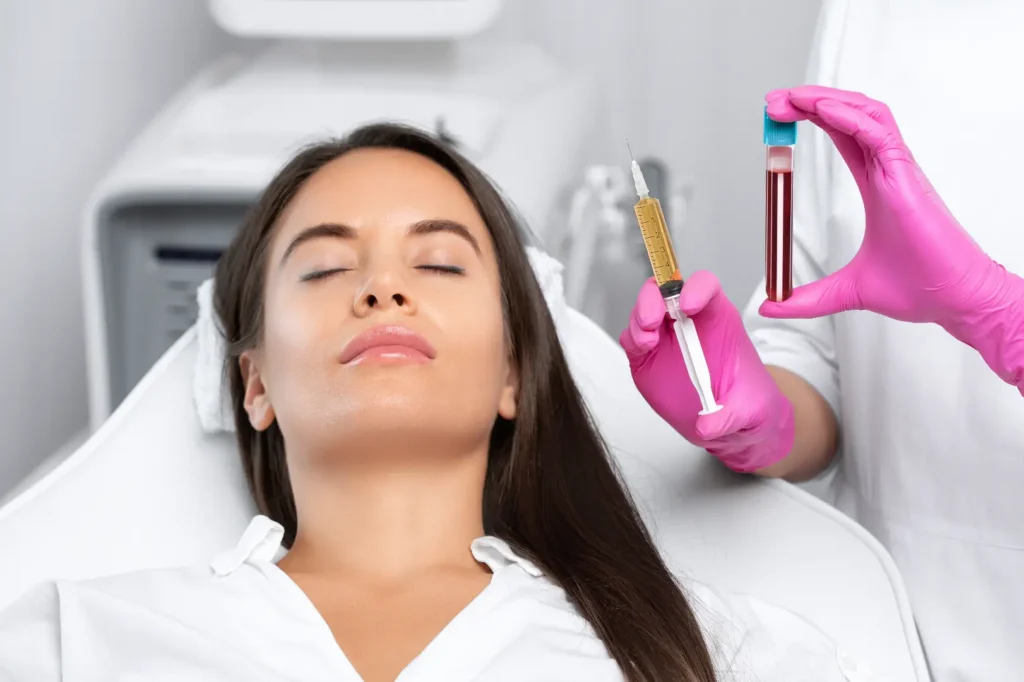
One reason patients explore PRP skin rejuvenation is that the treatment uses components taken from their own blood. After a small blood draw, the sample is processed to concentrate platelets before the prepared PRP is used in targeted areas.
Platelets are probably best known for helping blood clot, but they also release growth factors and signaling proteins involved in normal wound healing. This biological role is the basis for using PRP in regenerative aesthetic treatments.
That doesn’t mean PRP creates brand-new skin or turns back the biological clock. A more realistic goal is to support the skin’s natural repair environment as part of a carefully selected treatment plan.
Changes also tend to be gradual rather than dramatic overnight. Collagen remodeling and tissue renewal take time, so patients shouldn’t expect to leave an appointment with their final result already visible.
For someone who prefers a regenerative approach rather than relying exclusively on treatments that add volume, PRP may deserve consideration. The key is matching it to a concern that makes sense for the treatment.
2. When Microneedling Is Already Part of the Plan
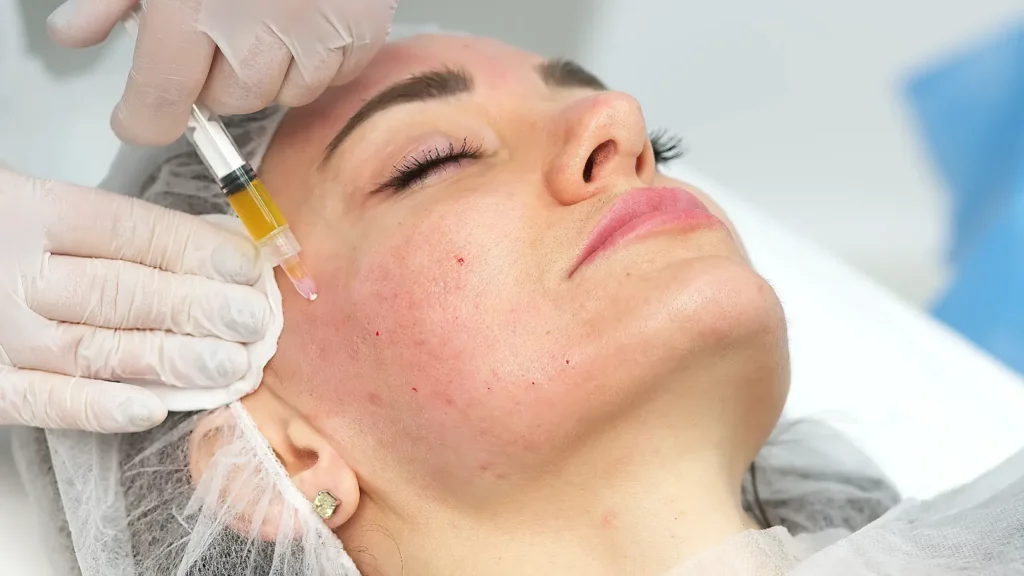
Microneedling and PRP are often discussed together because the two treatments approach skin rejuvenation from complementary directions. Microneedling creates controlled microscopic injuries in the skin, initiating a natural repair response that can stimulate collagen remodeling.
Adding PRP introduces platelet-derived components into that treatment environment. Depending on the technique and treatment plan, PRP may be applied or delivered in conjunction with microneedling. This is why PRP with microneedling has become a familiar combination for patients concerned about texture, fine lines, or certain types of acne scarring.
It’s important, however, to separate what each treatment is doing. Microneedling itself is responsible for creating controlled micro-injuries and triggering a wound-healing response. PRP is an adjunct intended to support that regenerative environment rather than replacing the mechanism of microneedling.
Combining the two also doesn’t mean every patient will experience dramatically better results than with microneedling alone. Research continues to evaluate PRP protocols, and results can vary based on preparation methods, skin condition, treatment technique, and individual healing response.
The combination makes the most sense when there’s a clinical reason for adding it, not simply because two treatments sound more impressive together.
3. When Texture Is the Main Concern
Skin texture is one of those concerns that can be difficult to describe but easy to recognize. The skin may feel rough, look uneven under makeup, or catch light differently because of fine lines, enlarged-looking pores, or old acne scars.
A platelet-rich plasma facial may be considered as part of a broader approach to improving overall skin quality. PRP doesn’t physically resurface the skin in the same way an ablative laser or chemical peel does, so expectations should reflect that difference. Instead, PRP is generally used with the goal of supporting repair and remodeling.
For more significant texture concerns, combining PRP with a procedure that directly creates a controlled remodeling response may make more sense than expecting PRP alone to do everything. Microneedling is one example, although other treatments may be considered according to the patient’s skin and goals.
This is where individualized planning becomes valuable. Mild roughness, deep acne scars, pigment changes, and skin laxity aren’t interchangeable concerns, even though patients may describe all of them as bad texture. Identifying what you’re actually seeing determines which treatment deserves the leading role.
4. When Fine Lines Are Starting to Show
Early skin aging doesn’t always call for filler. Sometimes the concern isn’t lost volume at all, but gradually changing skin quality.
Fine lines can develop as collagen and elastin change with age, while repeated facial movement, sun exposure, genetics, and lifestyle factors add their own influence. Skin may also become thinner or less resilient over time.
PRP may be considered when the goal is to support overall skin quality rather than physically fill a crease. That’s an important distinction. Dermal fillers add volume and can reshape or support selected facial areas. Neuromodulators such as Botox temporarily reduce targeted muscle activity.
PRP works through an entirely different biological concept centered on platelet-derived signaling and tissue repair. These treatments shouldn’t be treated as substitutes simply because they’re all offered in aesthetic medicine.
A patient with dynamic forehead lines may benefit more from discussing a neuromodulator. Someone with significant volume loss may need a conversation about structural support. For patients focused more broadly on skin quality, however, PRP may have a place in the plan.
5. When You Prefer an Autologous Treatment
Some patients are particularly interested in treatments derived from their own bodies. PRP fits that preference because the starting material is the patient’s own blood.
The process typically begins with a blood draw. That sample is then processed to separate and concentrate the platelet-rich portion before it’s reintroduced into targeted treatment areas. This autologous nature is often one of PRP’s biggest appeals.
Still, “from your own body” shouldn’t be confused with “completely risk-free.” A treatment that involves blood handling and skin penetration still requires appropriate preparation, sterile technique, patient selection, and aftercare.
Temporary redness, swelling, tenderness, bruising, or pinpoint bleeding may occur depending on how PRP is administered and whether another procedure is performed alongside it. Infection is also a potential risk whenever the skin barrier is disrupted.
Patients considering a PRP facial treatment in Miami should therefore look beyond the fact that the treatment is autologous. How it’s prepared, why it’s being recommended, and how it fits the patient’s goals matter just as much.
6. When You Don’t Need More Facial Volume
One advantage of thinking in terms of a treatment plan rather than a single procedure is recognizing when filler isn’t the answer. Not every sign of aging comes from insufficient volume. Adding filler to skin that primarily needs improvement in texture or quality can create fullness without adequately addressing the actual concern.
PRP takes a different route because it isn’t intended to reshape the face by adding conventional filler volume. That can make it interesting for patients who like their existing facial proportions but want to explore regenerative approaches to skin quality. The objective may be to support a fresher appearance without changing cheek projection, lip size, or facial contours.
Of course, some patients genuinely have both concerns. A person may have age-related volume loss and declining skin quality at the same time. In those cases, PRP combination treatments may involve different therapies addressing different layers or concerns rather than asking one treatment to solve everything. The important part is having a reason for every component of the plan.
7. When Treatments Have Different Jobs
Combination aesthetics works best when each procedure contributes something distinct. Simply stacking treatments doesn’t automatically create a better result.
Consider microneedling and PRP again. Microneedling provides controlled mechanical stimulation, while PRP contributes platelet-derived biological components. Their roles are related but not identical.
The same logic applies when other aesthetic procedures are considered. A treatment directed at pigmentation shouldn’t automatically be expected to restore lost facial volume. Filler isn’t a substitute for resurfacing, and PRP shouldn’t be expected to tighten significant loose skin like surgery.
Good PRP combination treatments therefore begin with a simple question: What is each component supposed to accomplish? If that question can’t be answered clearly, adding another treatment may only increase cost, complexity, or recovery without a meaningful reason.
Thoughtful combination therapy isn’t about doing everything available. It’s about using complementary tools to address different aspects of the same aesthetic goal.
Build a Plan Around Your Skin
The best aesthetic plan doesn’t necessarily have the most treatments. It has the right treatments working toward clearly defined goals, with enough time between steps to see what your skin actually needs next.
At First Class Health, patients exploring PRP and skin rejuvenation in Miami can consider platelet-rich plasma as part of an individualized treatment strategy rather than an automatic add-on. By looking at skin quality, goals, and the role of each treatment, PRP can be incorporated where it makes sense while keeping the overall plan thoughtful, measured, and personal.
Contact us today to book your consultation!